Preparing for Your First Hijama Session
A step-by-step guide covering the intake form, what happens during the session, and how to prepare in the twenty-four hours before.
ReadLearning hub
Clear, practical guidance for understanding hijama, preparing safely, and caring for yourself after treatment.
Section 1
Understand wet and dry cupping, where the practice comes from, and its place in the Sunnah.
Hijama is a traditional form of cupping therapy. Cups are placed on selected areas of the body to create gentle suction.
History and Sunnah context Cupping has been practised in several healing traditions for centuries. Hijama has particular significance in Islamic tradition, where authentic narrations describe the Prophet Muhammad (peace be upon him) receiving and recommending cupping. It should still be delivered with modern hygiene, informed consent, and appropriate clinical judgement.
Section 2
Explore common reasons people seek hijama, from muscle tension to general wellbeing.
People commonly seek cupping as a complementary therapy for relaxation, recovery, and general wellbeing. Individual responses vary, and research is still developing.
Hijama is not a replacement for diagnosis, prescribed medicine, emergency treatment, or ongoing care from a qualified medical professional. Ask your doctor about persistent, severe, or unexplained symptoms.
Section 3
Check when hijama should be avoided or requires medical guidance before you book.
Hijama is not suitable for everyone. Tell your practitioner about all medical conditions, medicines, allergies, and recent procedures before treatment.
Treatment should not be performed over infected, inflamed, sunburned, wounded, or otherwise damaged skin. It should also be postponed if you are feverish, acutely unwell, severely dehydrated, or unable to give informed consent.
This guide is general education, not individual medical advice. In an emergency, contact the Mauritian emergency services or attend the nearest medical facility.
Section 4
Prepare safely with practical guidance on food, hydration, clothing, and medicines.
Do not stop prescribed medicine unless the clinician who prescribed it tells you to. Contact your practitioner before travelling if you feel unwell or your health circumstances have changed.
Section 5
Know how to look after treated areas and what to expect while your skin recovers.
Circular marks, mild tenderness, and temporary fatigue can occur and usually settle gradually. Healing time varies. Seek prompt medical advice for worsening pain, spreading redness, warmth, swelling, pus, persistent bleeding, fever, fainting, breathing difficulty, or any symptom that concerns you.
Section 6
Find practical take-home guides to read before and after your session.
Take it with you
Save practical guides for later or continue learning through our selected videos.
A step-by-step guide covering the intake form, what happens during the session, and how to prepare in the twenty-four hours before.
ReadNutrition, sleep, movement and hydration habits that support recovery and help you get the most out of each cupping session.
ReadHow to find the 17th, 19th and 21st of each lunar month and plan your monthly hijama appointment around them.
Read
Why many practitioners prefer certain lunar dates for cupping, what the tradition says, and how to plan your monthly session around them.
Hijama Mauritius Team23 August 2026
Read article →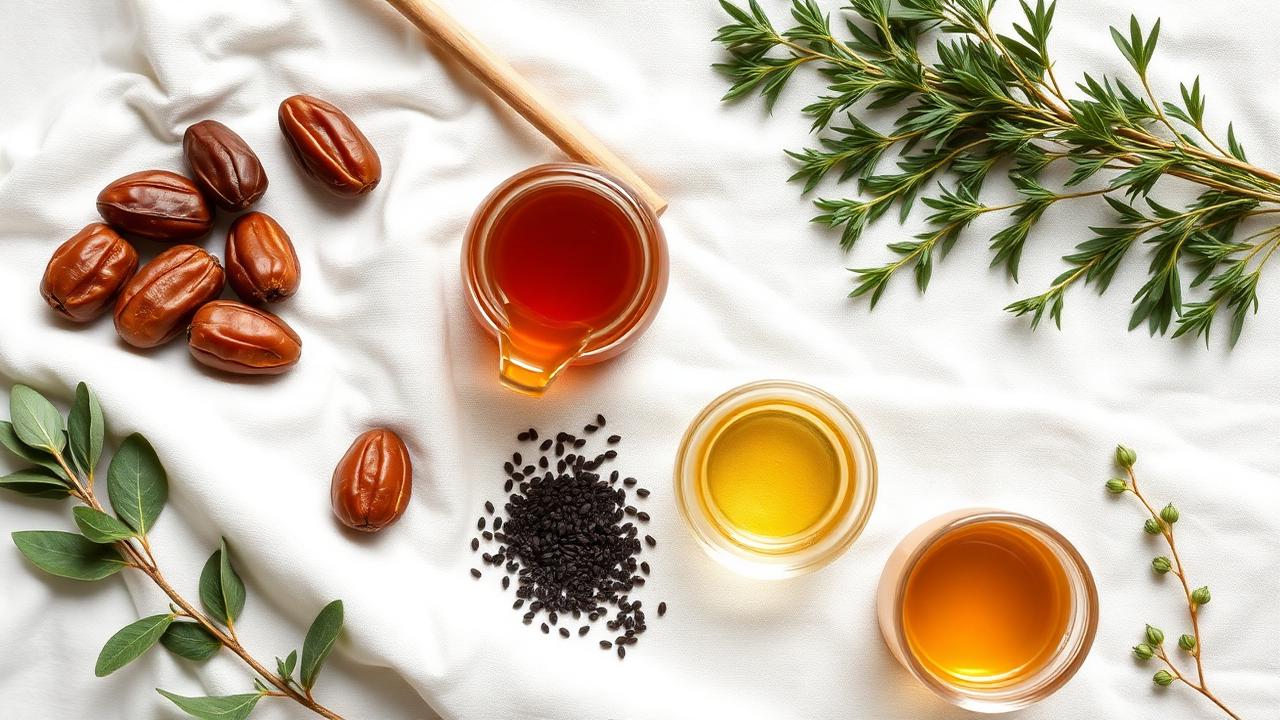
Cupping works best as part of a wider routine. Simple prophetic habits — from dates and honey to sleep and movement — that support your recovery and energy.
Hijama Mauritius Team19 August 2026
Read article →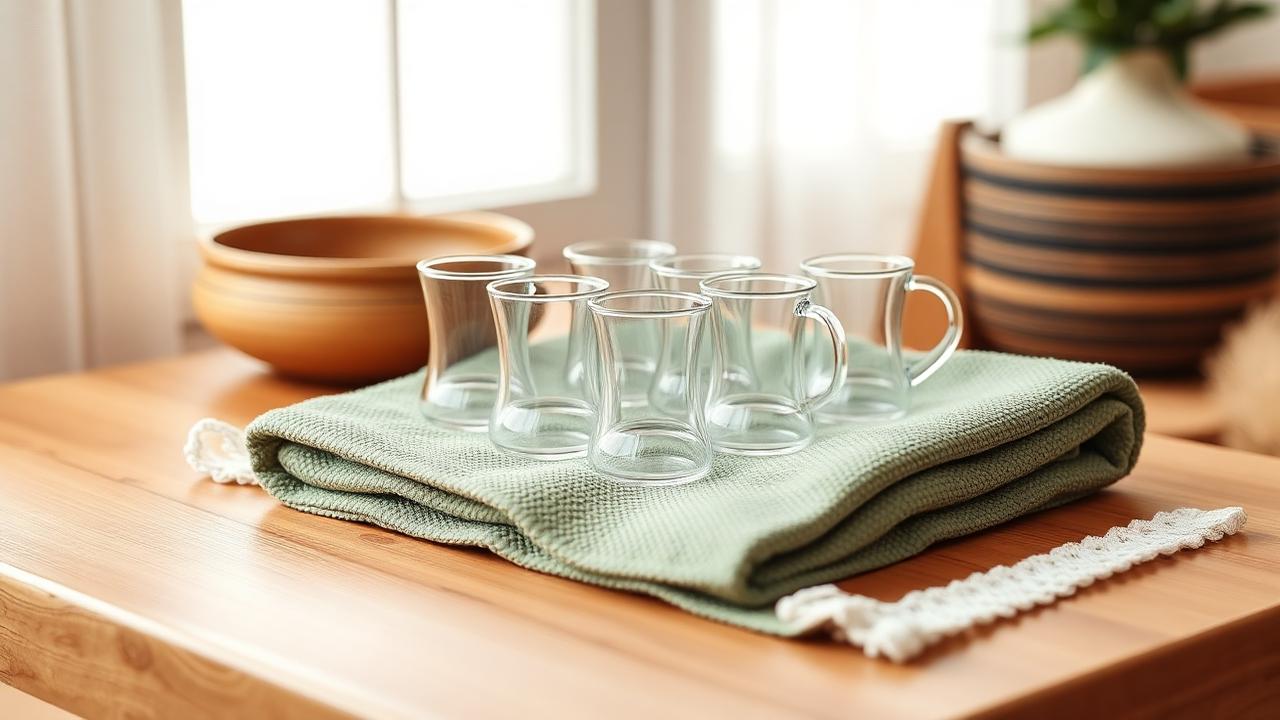
Nervous about your first cupping appointment? Here is a calm, step-by-step walkthrough of how a session usually unfolds in Mauritius.
Hijama Mauritius Team13 August 2026
Read article →